Best Counties for Homesteading in Idaho
April 2026 · Based on federal data from 9 agencies
Idaho's homestead policy stack is about as favorable as you'll find in the West. There's no statewide residential building code for unincorporated areas (Idaho Code § 39-4109), so in rural counties you can build without a permit. Constitutional carry has been in effect since July 1, 2016 (Idaho Code § 18-3302) — expanded in 2020 to cover non-residents as well. The right-to-farm law (Idaho Code § 22-4501) protects agricultural operations from nuisance suits. And the homestead property tax exemption under Idaho Code § 63-602G reduces assessed value by 50%, capped at $125,000 — meaningful savings on any owner-occupied parcel. Agricultural land with 5+ contiguous acres in a bona fide farm operation is assessed at use value under Idaho Code § 63-604, not market value, which can cut your tax bill by 20–50% in high-demand areas like the Treasure Valley.
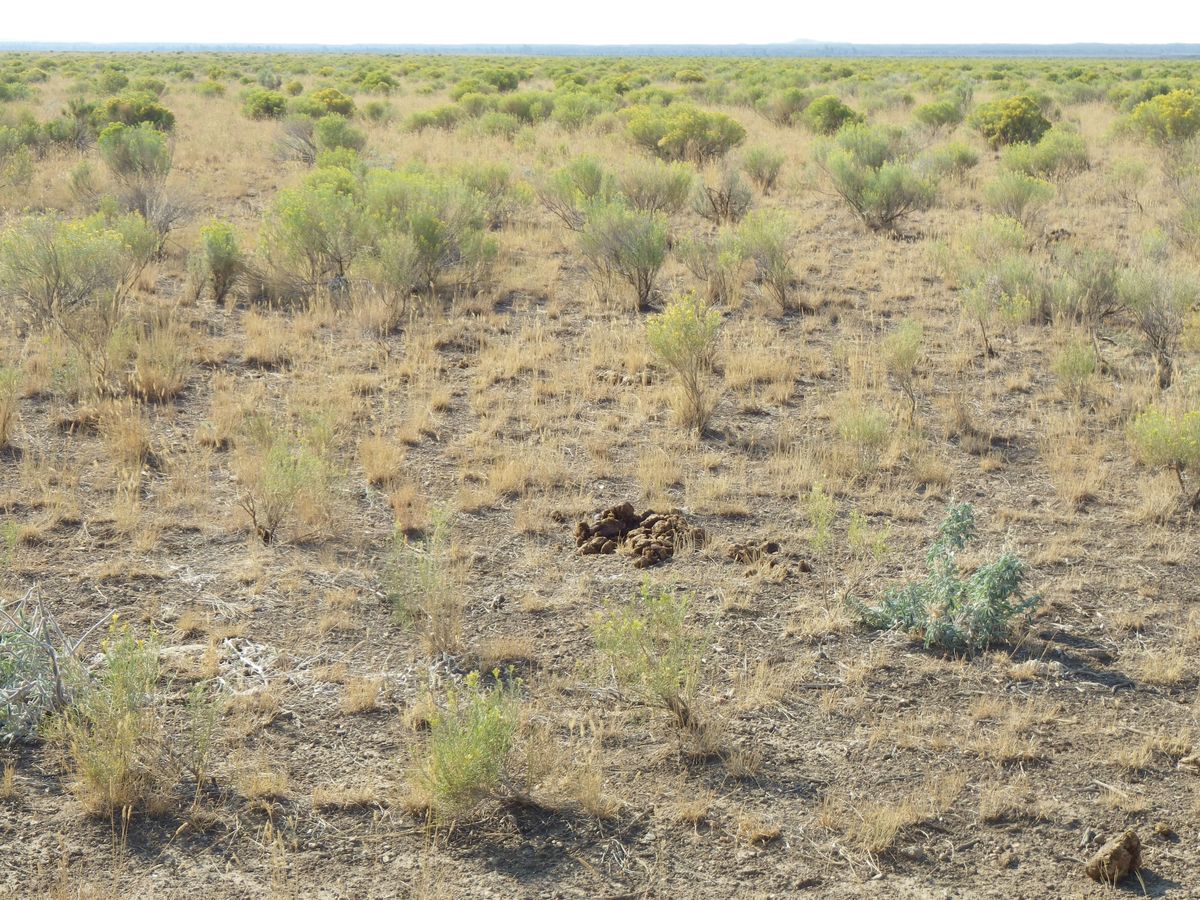
The harder question is which of Idaho's 44 counties fits your situation. Idaho is geographically extreme: the sagebrush high desert of the Snake River Plain runs 2,700 feet and grows onions and hops, the Palouse produces more dry peas and lentils per acre than almost anywhere on earth, and the central mountains climb past 9,000 feet with growing seasons under 100 days. A parcel that looks identical on paper can differ in frost dates by two months depending on elevation.
The other variable that separates Idaho from most homestead states is water. Idaho follows strict prior appropriation — "first in time, first in right" — and water rights are separate property from land. A creek running through your acreage does not mean you have a legal right to use it. We pulled federal data from FEMA, Census ACS, NOAA, USDA, and five other agencies to rank all 44 counties across the dimensions that actually drive homestead decisions. Here is what the data shows.
Rankings reflect county-level averages from federal data sources — your specific parcel will differ based on location, elevation, soil type, and local ordinances. This is a research starting point, not professional real estate or financial advice. See our methodology for data sources, freshness, and known limitations.
Idaho Counties
Click any county to view its full data profile. Colors show overall natural disaster risk from FEMA's National Risk Index.
Lowest Property Tax
Idaho's effective statewide rate sits around 0.63%, already below most Western states, but the homestead exemption makes it more favorable than it looks on paper. Owner-occupied primary residences get up to 50% of assessed value — capped at $125,000 — removed from the tax base under Idaho Code § 63-602G. Layer in agricultural use-value assessment for qualifying parcels and you can get working homestead tax burdens well below the county average shown here. These are the counties where even the baseline rate is lowest.
| # | County | Property Tax | Median Home | Population |
|---|---|---|---|---|
| 1 | Clark County | $686 | $172,500 | 756 |
| 2 | Idaho County | $929 | $258,900 | 16,787 |
| 3 | Custer County | $946 | $282,000 | 4,344 |
| 4 | Lincoln County | $974 | $183,400 | 5,203 |
| 5 | Bear Lake County | $994 | $194,700 | 6,436 |
| 6 | Butte County | $998 | $194,700 | 2,605 |
| 7 | Gooding County | $1,072 | $197,800 | 15,520 |
| 8 | Cassia County | $1,091 | $227,100 | 24,859 |
| 9 | Lemhi County | $1,091 | $254,800 | 8,043 |
| 10 | Minidoka County | $1,091 | $198,400 | 21,626 |
Longest Growing Season
No variable shapes Idaho homestead decisions more than elevation, and elevation determines growing season. The Treasure Valley around Boise runs Zone 6b–7a with roughly 185 frost-free days and a last spring frost around April 10–20. The Magic Valley near Twin Falls gets about 165 days (last frost April 20–May 1). The northern panhandle averages 155 days with a maritime influence that keeps winters milder than you'd expect. The central mountains around McCall can drop to 100–120 frost-free days with last frost as late as June 1. The counties below sit at the top of NOAA's data for Idaho.
| # | County | Growing Days | Hardiness Zone | Precipitation |
|---|---|---|---|---|
| 1 | Franklin County | 78 days | 5b | 15" / yr |
| 2 | Oneida County | 78 days | 5b | 15" / yr |
| 3 | Bear Lake County | 77 days | 5b | 14.9" / yr |
| 4 | Cassia County | 77 days | 5b | 14.9" / yr |
| 5 | Twin Falls County | 77 days | 5b | 14.9" / yr |
| 6 | Bannock County | 76 days | 5b | 14.9" / yr |
| 7 | Caribou County | 76 days | 5b | 14.8" / yr |
| 8 | Jerome County | 76 days | 5b | 14.9" / yr |
| 9 | Owyhee County | 76 days | 5b | 41.1" / yr |
| 10 | Power County | 76 days | 5b | 14.9" / yr |
Lowest Natural Disaster Risk
Idaho's risk profile is dominated by wildfire and seismic activity. Between 1980 and 2024, Idaho recorded 32 federal disaster declarations — 15 tied to wildfire and 13 to drought. The annual rate of billion-dollar climate events has accelerated 70% since 2020 relative to the long-term average. The Intermountain Seismic Belt bisects central and eastern Idaho, and the 1983 Borah Peak earthquake (M6.9) remains the largest recorded in the state. Spring snowmelt flooding is a recurring issue on the Snake, Boise, and Clearwater rivers. FEMA issued a major disaster declaration for Idaho in June 2024 after spring flooding and landslides in three counties. The counties ranked below have the lowest composite risk scores in FEMA's National Risk Index.
| # | County | Overall Risk | Wildfire | Flood | Disasters |
|---|---|---|---|---|---|
| 1 | Adams County | Very Low | Relatively Moderate | Relatively Low | 6 |
| 2 | Bear Lake County | Very Low | Relatively Low | Very Low | 4 |
| 3 | Benewah County | Very Low | Relatively Low | Relatively Low | 9 |
| 4 | Boundary County | Very Low | Relatively Low | Relatively Low | 9 |
| 5 | Butte County | Very Low | Very Low | Very Low | 4 |
| 6 | Camas County | Very Low | Relatively Low | Very Low | 5 |
| 7 | Caribou County | Very Low | Relatively Low | Very Low | 1 |
| 8 | Clark County | Very Low | Relatively Low | Very Low | 2 |
| 9 | Franklin County | Very Low | Relatively Low | Very Low | 3 |
| 10 | Fremont County | Very Low | Relatively Low | Relatively Low | 3 |
Most Affordable (Median Home Value)
Idaho land prices have bifurcated sharply. Treasure Valley (Ada, Canyon, Gem) and northern panhandle (Bonner, Kootenai) parcels have appreciated steadily since 2020 as remote buyers and Boise-market refugees pushed into adjacent counties. Average farm purchase prices hit $903,000 ($4,238/acre) in 2024. But remote parcels in Owyhee, Custer, and Lemhi counties without water rights or paved road access can still be found in the $500–$1,500/acre range. The catch — and it's a significant one — is that cheap land in Idaho often means no water rights, which can mean a $20,000–$80,000 well project that may or may not succeed depending on geology.
| # | County | Median Home | Property Tax | Population |
|---|---|---|---|---|
| 1 | Clark County | $172,500 | $686 | 756 |
| 2 | Power County | $174,200 | $1,526 | 7,918 |
| 3 | Shoshone County | $183,200 | $1,236 | 13,399 |
| 4 | Lincoln County | $183,400 | $974 | 5,203 |
| 5 | Lewis County | $184,800 | $1,295 | 3,630 |
| 6 | Bear Lake County | $194,700 | $994 | 6,436 |
| 7 | Butte County | $194,700 | $998 | 2,605 |
| 8 | Gooding County | $197,800 | $1,072 | 15,520 |
| 9 | Minidoka County | $198,400 | $1,091 | 21,626 |
| 10 | Caribou County | $204,400 | $1,320 | 7,058 |
Best for Off-Grid Living
Idaho County, Bonner County, and Boundary County stand out in forum discussions for a specific reason: they are among the only counties in Idaho with no local building codes at all — not even a local adoption of the IRC. Couple that with Idaho's general lack of statewide residential code enforcement in unincorporated areas (Idaho Code § 39-4109) and you have some of the most permissive owner-builder environments in the West. Rainwater collection is legal statewide. Composting toilets are allowed statewide with health district variance under IDAPA 58.01.03. Off-grid solar carries no state restrictions. The solar irradiance numbers in southern Idaho — particularly the Magic Valley and Treasure Valley — are competitive with the Southwest. This composite ranking weights low property tax, high solar irradiance (NREL data), and low population density.
| # | County | Solar (kWh/m²) | Property Tax | Population |
|---|---|---|---|---|
| 1 | Clark County | 4 | $686 | 756 |
| 2 | Custer County | 4 | $946 | 4,344 |
| 3 | Lincoln County | 4.1 | $974 | 5,203 |
| 4 | Butte County | 4 | $998 | 2,605 |
| 5 | Bear Lake County | 4.1 | $994 | 6,436 |
| 6 | Oneida County | 4.1 | $1,149 | 4,572 |
| 7 | Camas County | 4 | $1,210 | 1,133 |
| 8 | Lemhi County | 3.9 | $1,091 | 8,043 |
| 9 | Idaho County | 3.8 | $929 | 16,787 |
| 10 | Gooding County | 4.1 | $1,072 | 15,520 |
What to Watch Out For
Before you narrow your search to one county, these are the issues that catch Idaho buyers off guard most often.
Water rights are not the land
Idaho follows strict prior appropriation under Idaho Code Title 42. A stream on your property, a ditch diversion, or an existing well does not mean you own a right to use that water. Water rights are separate property, recorded separately, and must be verified independently before closing — not through a standard title search. IDWR's database is searchable. Always verify. Parcels in the Snake River Basin are subject to the SRBA decree; junior rights holders have faced curtailment orders as recently as 2024 and 2025. Irrigated land without senior water rights can become dry-land overnight.
Well costs are wildly variable and geology-dependent
A well in the Sandpoint area might run $3,750. The same job in the Treasure Valley has run over $80,000 depending on depth and rock encountered. Domestic wells require a permit from IDWR ($75) and must be drilled by a licensed driller (Idaho Code § 42-238). Budget based on neighbor wells in the same micro-area — not a state average. The domestic-use exemption (Idaho Code § 42-111) covers up to 13,000 gallons per day (roughly 2.8 acre-feet/year) without a separate water right, but that ceiling matters if you plan irrigated production.
Wildfire insurance and defensibility are planning constraints, not optional
Northern and central Idaho wildfire risk is not theoretical — it shapes insurance availability, lender requirements, and annual workload. Creating and maintaining defensible space around a structure in forested terrain is a real and ongoing cost. Some carriers have stopped writing new policies in high-risk Idaho zones. Verify insurance availability before purchasing — and factor annual defensible-space maintenance into your operating budget, not just your capital cost.
Landlocked parcels and informal access agreements
Parcels with no recorded legal access to a public road are common in Idaho's rural counties. Handshake easements from a prior owner mean nothing when that neighbor sells. Always confirm that the property has a recorded legal easement — or that there is legal access via a public road — before closing. A title company's standard policy does not guarantee usable road access unless an easement search is specifically ordered.
Brucellosis risk in eastern Idaho's Designated Surveillance Area
Eastern Idaho's Designated Surveillance Area (DSA) covers the Greater Yellowstone ecosystem — including portions of Clark, Fremont, Teton, and Lemhi counties — where wild elk and bison populations are known Brucella abortus carriers. Cattle and bison entering or leaving the DSA require mandatory testing by the Idaho State Department of Agriculture. If you plan to run cattle in or adjacent to the DSA, factor in testing costs, movement restrictions, and the realistic risk of exposure from elk grazing your pasture during winter.
Idaho at a Glance
Property Tax
0.63% effective rate
50% homestead exemption, capped at $125,000
Gun Laws
Constitutional Carry
Since 2016 (residents); 2020 (non-residents). No permit required.
Water Rights
Prior Appropriation
Domestic exemption: up to 13,000 gpd without water right permit
Building Codes
No Statewide Code
Unincorporated areas: local-optional. Agricultural structures exempt (§ 39-4116).
Homeschool
Minimal Regulation
No notification, testing, or portfolio required (Idaho Code § 33-202)
Right to Farm
Protected
Nuisance protection for established agricultural operations (§ 22-4501)
See the full regulatory breakdown on the Idaho state page.
Compare with your priorities
These rankings use equal weighting. Your priorities are different. Use the Location Finder to score all 44 Idaho counties with your own weights.
Related State Guides
Continue your research in other high-interest homesteading states. All guides use the same federal data sources.
 Montana
County rankings by property tax, growing season, disaster risk, and off-grid potential.
 Kentucky
County rankings by property tax, growing season, disaster risk, and off-grid potential.
 Tennessee
County rankings by property tax, growing season, disaster risk, and off-grid potential.